From Routine CLD to Advanced Assays - Why SYNENTEC’s Imaging Focus Matters

Imaging has become a cornerstone of modern cell-based research, underpinning everything from routine cell line development (CLD) to advanced biological models used in biopharma and cell & gene therapy. As laboratories assess how best to support these workflows, one question comes up repeatedly: is an all-in-one platform sufficient, or does a dedicated imaging system offer real advantages?
As SYNENTEC celebrates 20 years of specialising in automated cell imaging and analysis, it is an ideal moment to reflect on why dedicated imaging platforms continue to play such an important role in today’s laboratories.
Imaging is not an add-on
In many all-in-one systems, imaging is one capability among many. While this can offer convenience, it often means compromises in optical performance, analytical depth or application flexibility. Dedicated imaging systems are different by design.
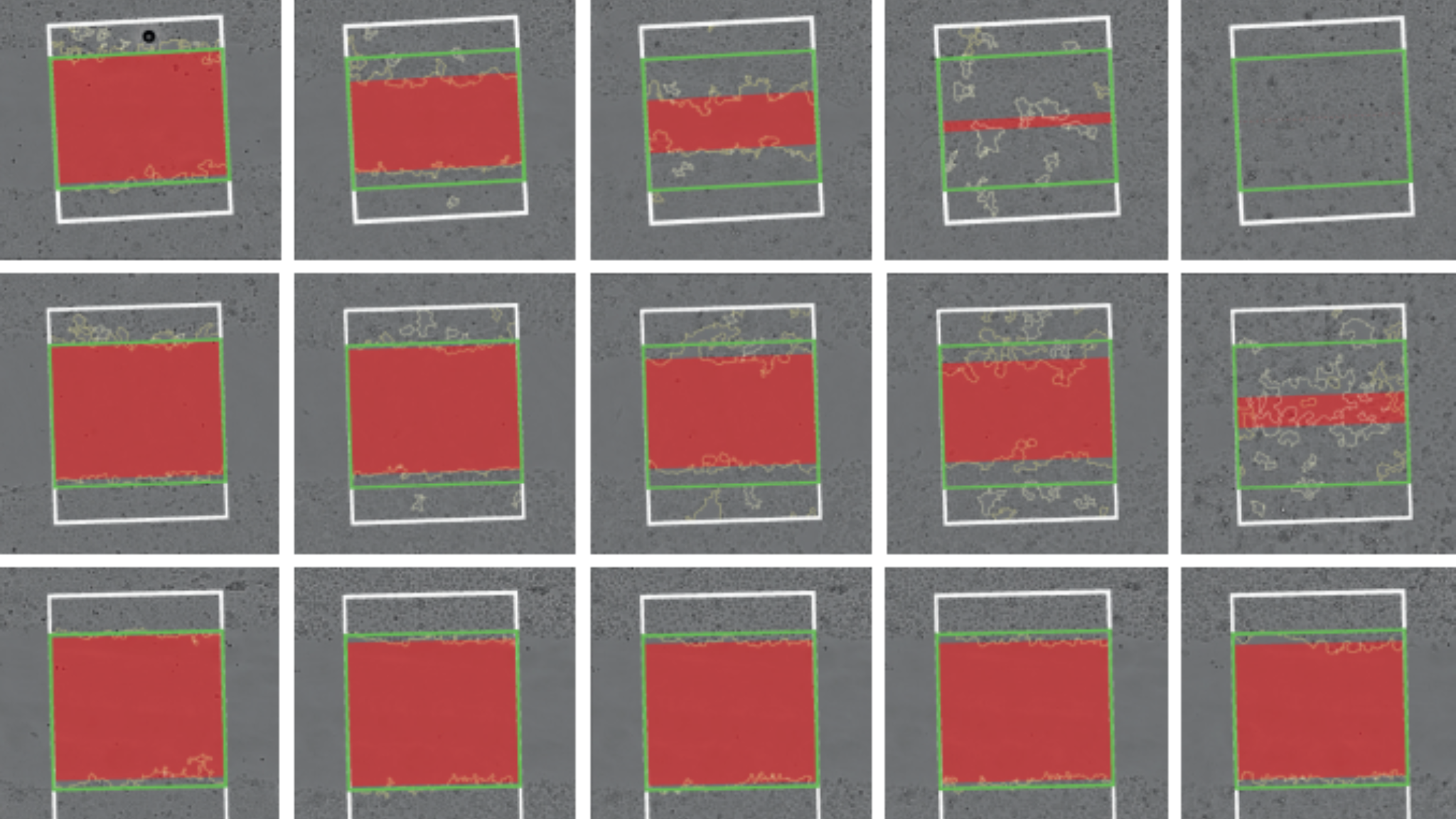
SYNENTEC has spent two decades focused specifically on cell imaging solutions. That specialisation is reflected in systems designed around image quality, reproducibility and biological relevance - not as secondary features, but as core principles. For applications such as cell counting, confluency measurement, cloning, migration assays and organoid research, this focus can make a meaningful difference to data quality and confidence in results.

Application-led development backed by real testing
A defining feature of SYNENTEC’s approach is its dedicated applications laboratory, where imaging workflows are developed, tested and refined under realistic experimental conditions. Rather than theoretical performance claims, applications are shaped by how scientists actually work at the bench.
This practical validation helps ensure that imaging methods and analysis tools are robust across different cell types, assay formats and research questions. For users, it means solutions that are better aligned with real-world challenges, not just idealised scenarios.
Consistency as workflows evolve
As projects progress from early research through development and toward more structured environments, consistency becomes increasingly important. Dedicated imaging systems support this by enabling multiple applications to be run on a single platform, reducing variability and improving comparability over time.
SYNENTEC imaging systems are designed to support both trusted, routine CLD workflows and more advanced assays. This allows teams to expand their application range without needing to change systems or adapt to new imaging limitations as their work evolves.

Targeted support from imaging specialists
Another often-overlooked advantage of working with a specialist imaging provider is the quality of support. With a clear focus on imaging and microscopy, SYNENTEC’s service and application teams bring deep, domain-specific expertise, working closely with BPES to ensure responsive, local support for customers.
This results in more efficient troubleshooting, more relevant application guidance and support that goes beyond resolving issues to helping optimise workflows. For busy laboratories, that targeted expertise can save time and reduce friction.
A focused investment in long-term imaging quality
Twenty years of experience in imaging has shaped SYNENTEC’s philosophy: imaging is not simply a supporting function, but a critical source of decision-driving data. Choosing a dedicated imaging system reflects an investment in data quality, consistency and long-term usability.
At BPES, we work with customers to identify imaging solutions that align with both current scientific needs and future ambitions - ensuring imaging remains a strength, not a limitation, as research and development progress.